Real Sporting Already Training at Full Capacity at Celta360
23 July 2026
Fran García: “At Celta360, I see a project designed to lead the hospitality market”
31 July 2026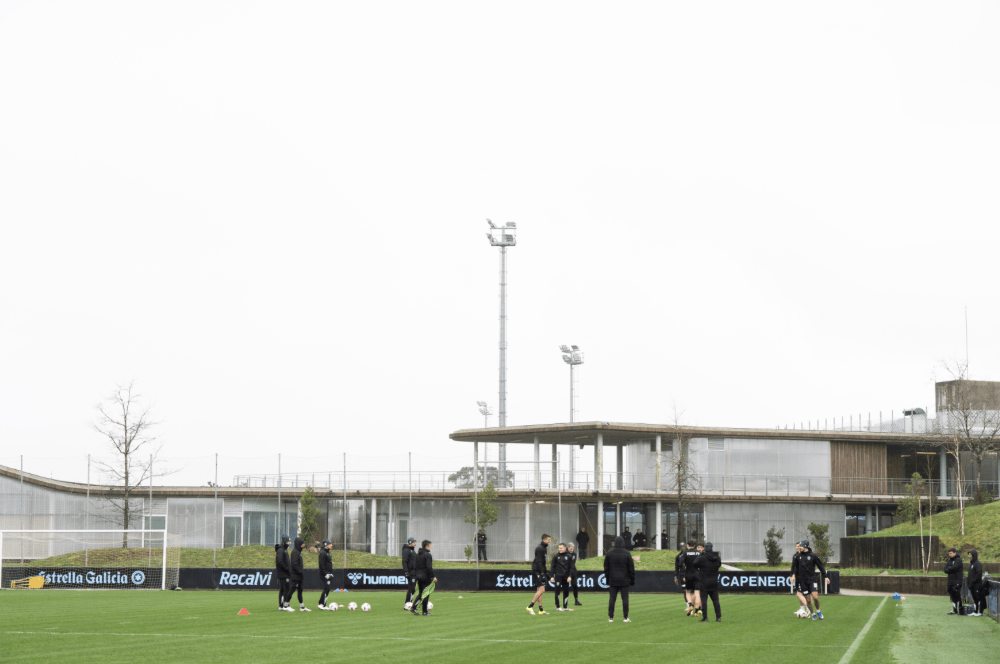
Related posts
14 September 2026
10 September 2026
Partners







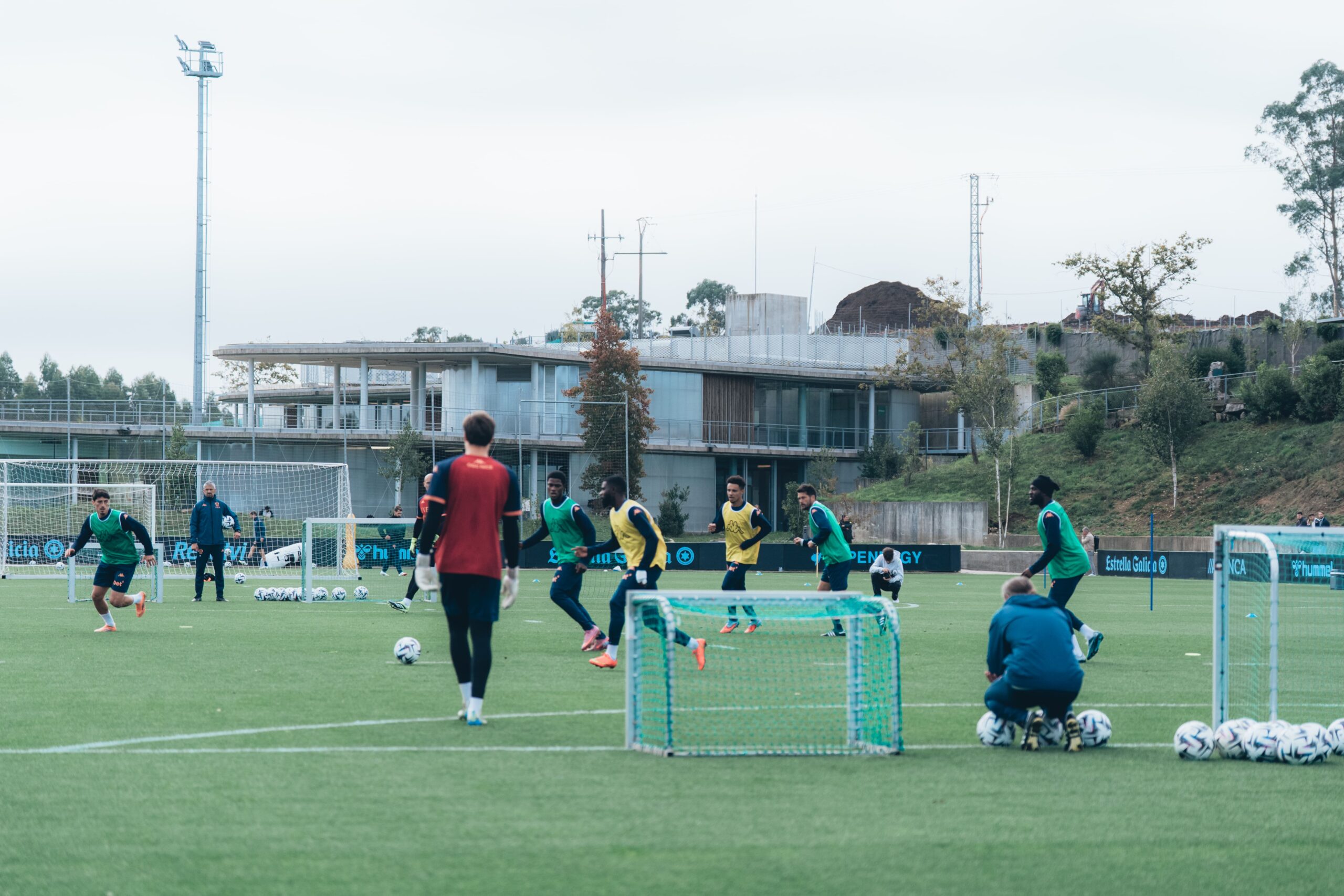
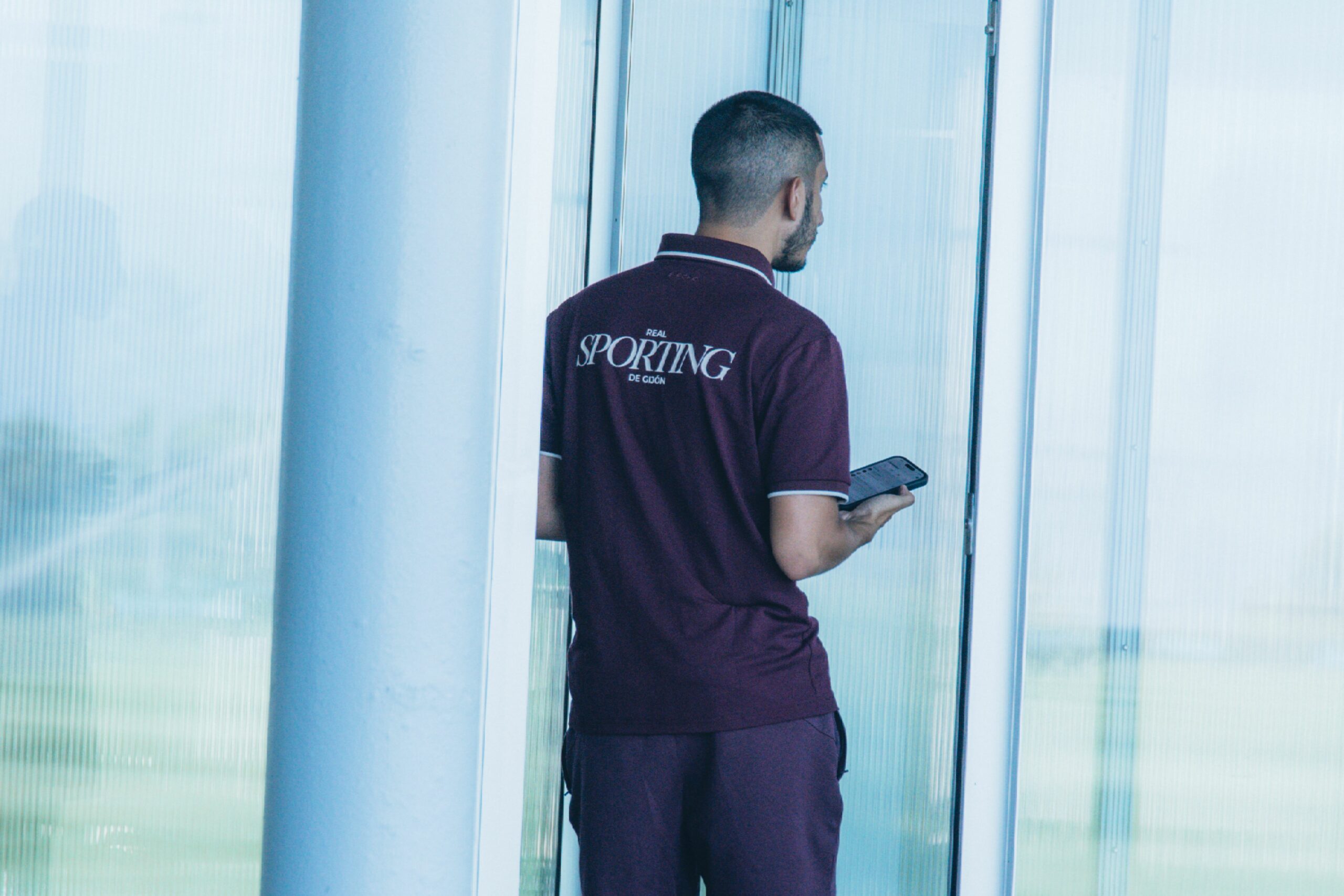
Celta360 ecosystem continues to make steady progress towards establishing itself as one of Europe’s leading high-performance football centres. Real Sporting’s recent decision to hold part of its pre-season training at Celta’s facilities represents far more than a one-off stay: it is another example of the strategy the club is pursuing to transform its sports infrastructure into an asset capable of generating recurring revenue while strengthening the organisation’s long-term financial sustainability.
This initiative forms part of one of Celta360’s strategic pillars: providing an outstanding environment for hosting training camps, team training camps and pre-season preparation programmes for elite clubs at a complex that is also set to serve as a host training site for the 2030 FIFA World Cup. The complex offers top-class training pitches, specialised services, nearby accommodation and an environment that enables teams to work under optimal conditions, making it a highly competitive option within the European market for high-performance training centres.



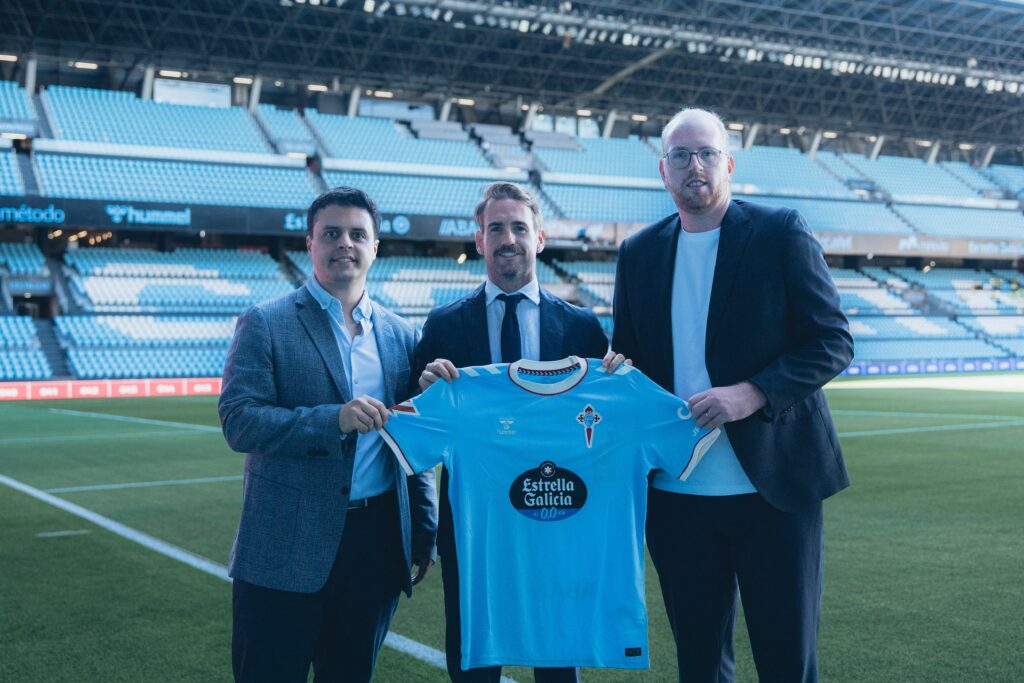
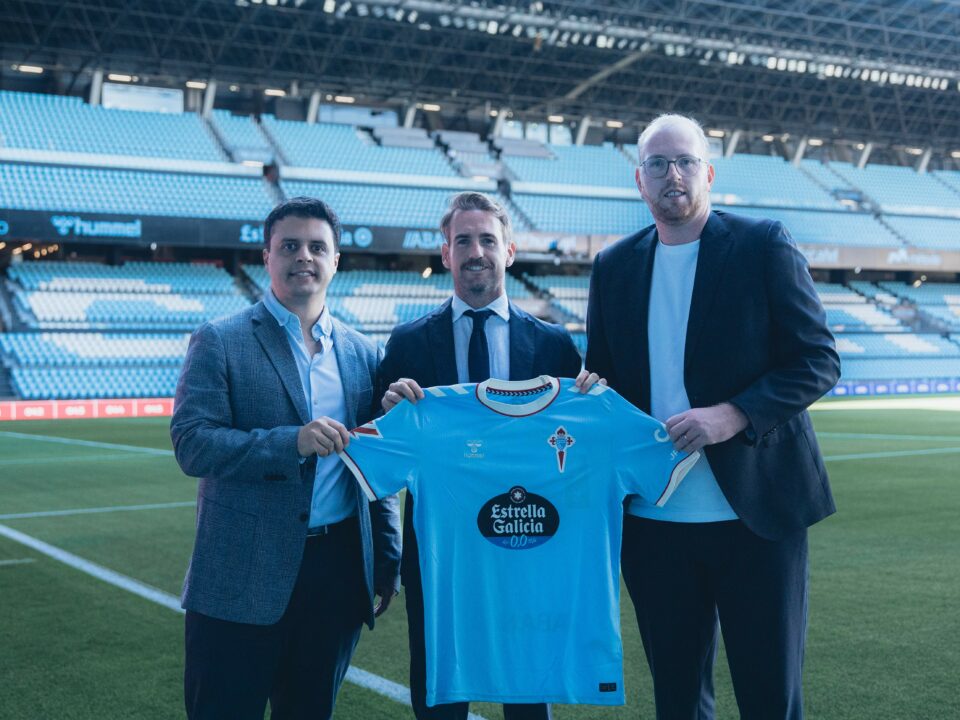
To further develop this business line, Celta has recently strengthened its strategy through an agreement with Proximma Sports and MCI Sport, two companies that have created a joint venture combining their expertise in sports marketing, commercial development and the international organisation of matches, tours and pre-season programmes. Through this partnership, both organisations will work to attract professional clubs from Spain and abroad to hold their training camps at Celta360, helping to position Vigo and its metropolitan area as a premier destination while creating a new source of revenue linked to the commercial use of the club’s sports facilities.
This is not an isolated initiative. CD Leganés also spent part of its pre-season this week at the Estadio de Barreiro, a facility that remains in operation and is maintained by the Vigo-based club. Last season, coinciding with Celta’s participation in the UEFA Europa League, the club also welcomed several of the visiting teams competing in the continental competition, including PAOK, OGC Nice and Olympique Lyonnais. Those experiences confirmed Celta360’s organisational and operational capabilities and demonstrated that its facilities meet the standards required by some of Europe’s leading football clubs.
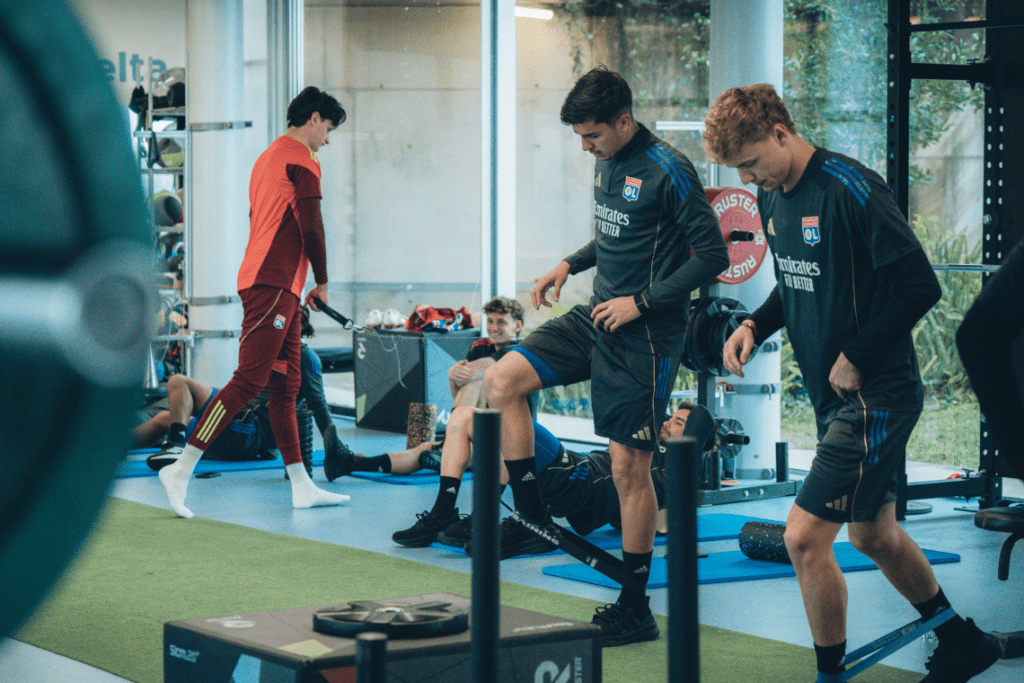
This vision reflects a management model that is becoming increasingly common across European football, where training centres are no longer viewed solely as facilities for a club’s internal use but also as strategic assets capable of generating business opportunities. Renting facilities for training camps provides an additional source of income, allowing clubs to maximise their investment in infrastructure while diversifying their revenue streams.
For Celta, this strategy is fully integrated into assets such as A Sede, ABANCA Balaídos and Celta360 itself—an ecosystem designed to bring together sport, education, innovation and entrepreneurship around world-class facilities. Attracting professional clubs is one of the cornerstones of this model, alongside the development of academic programmes, initiatives linked to the sports industry and business projects that aim to keep the complex active throughout the year.
Beyond sporting performance, the club sees Celta360 as a platform capable of attracting talent, knowledge and investment, transforming its real estate assets into a permanent engine of activity and a key tool for advancing towards a more diversified, sustainable and competitive economic model.